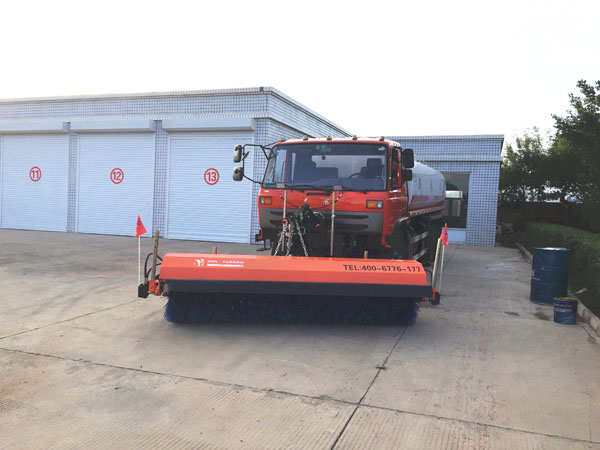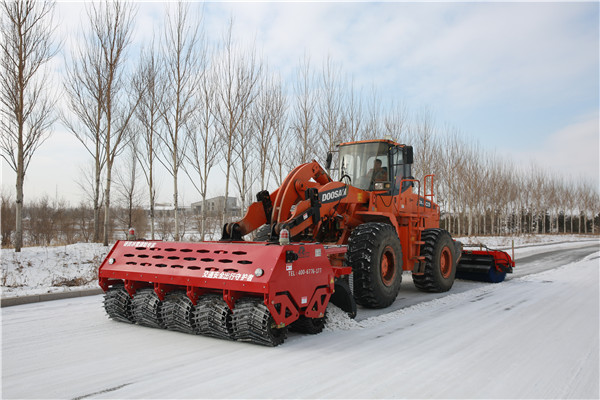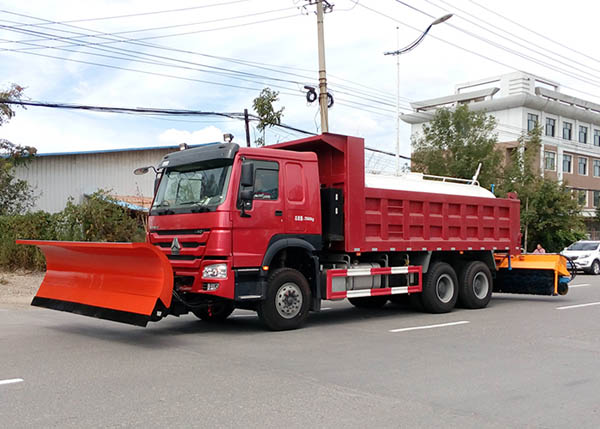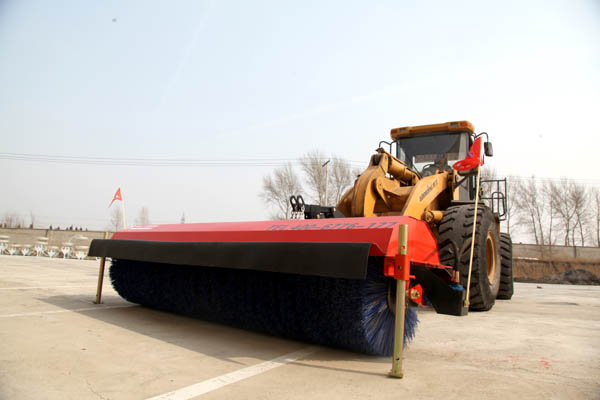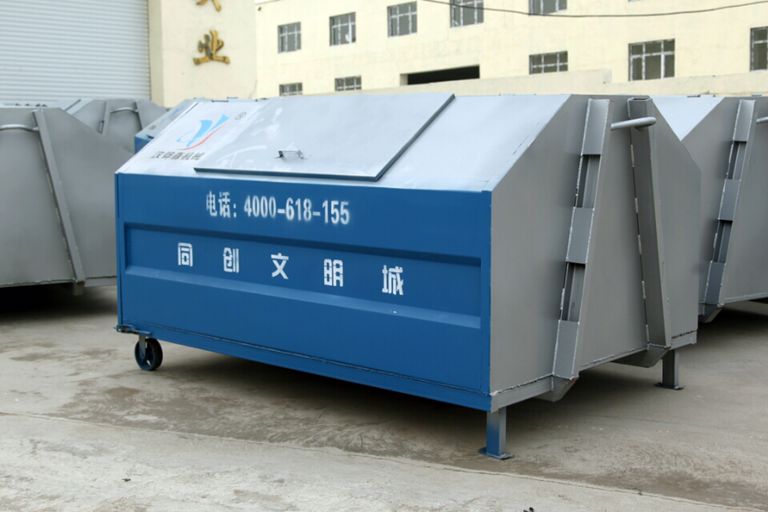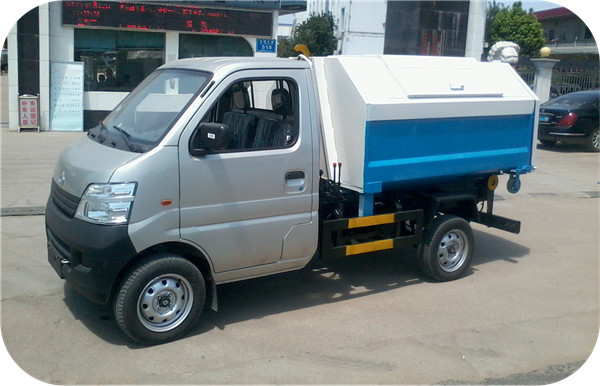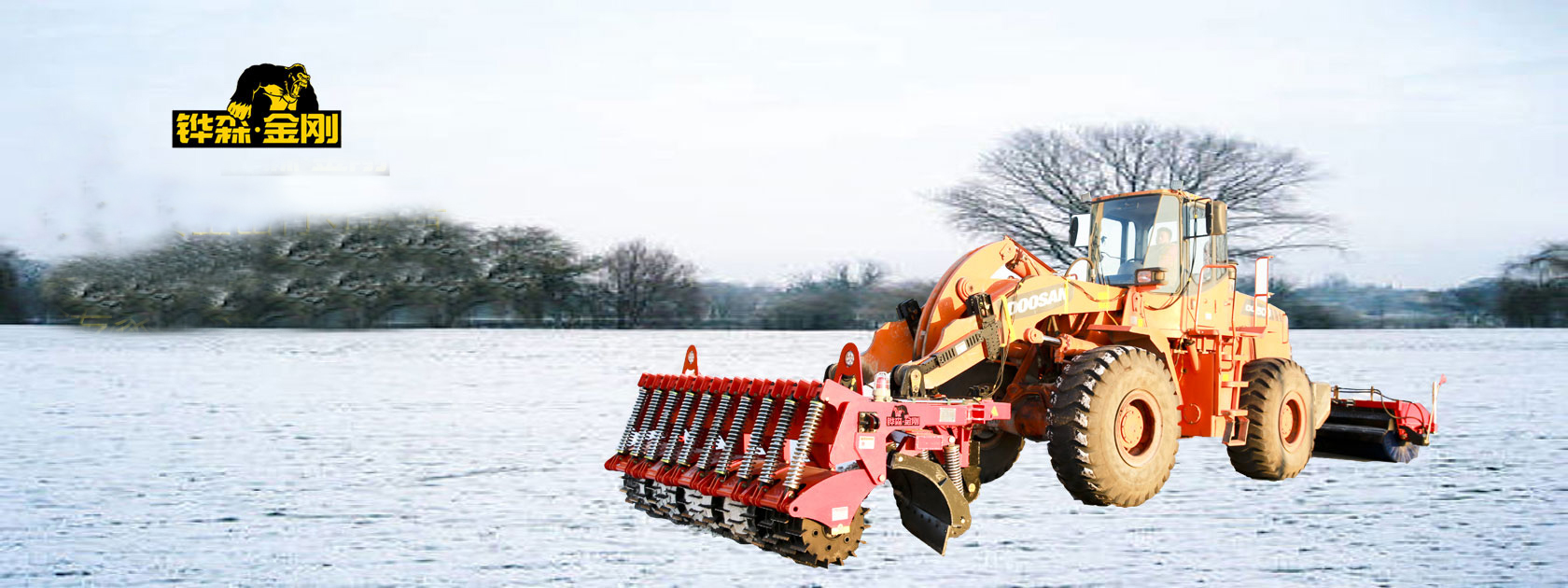
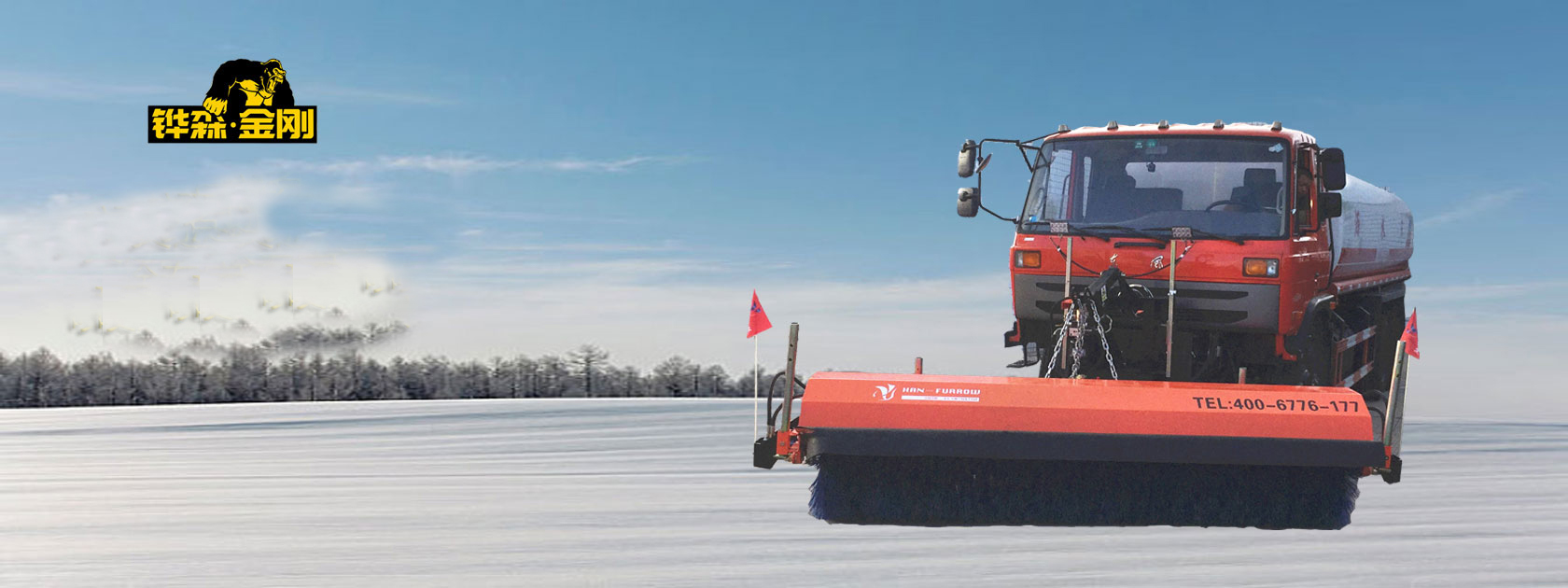
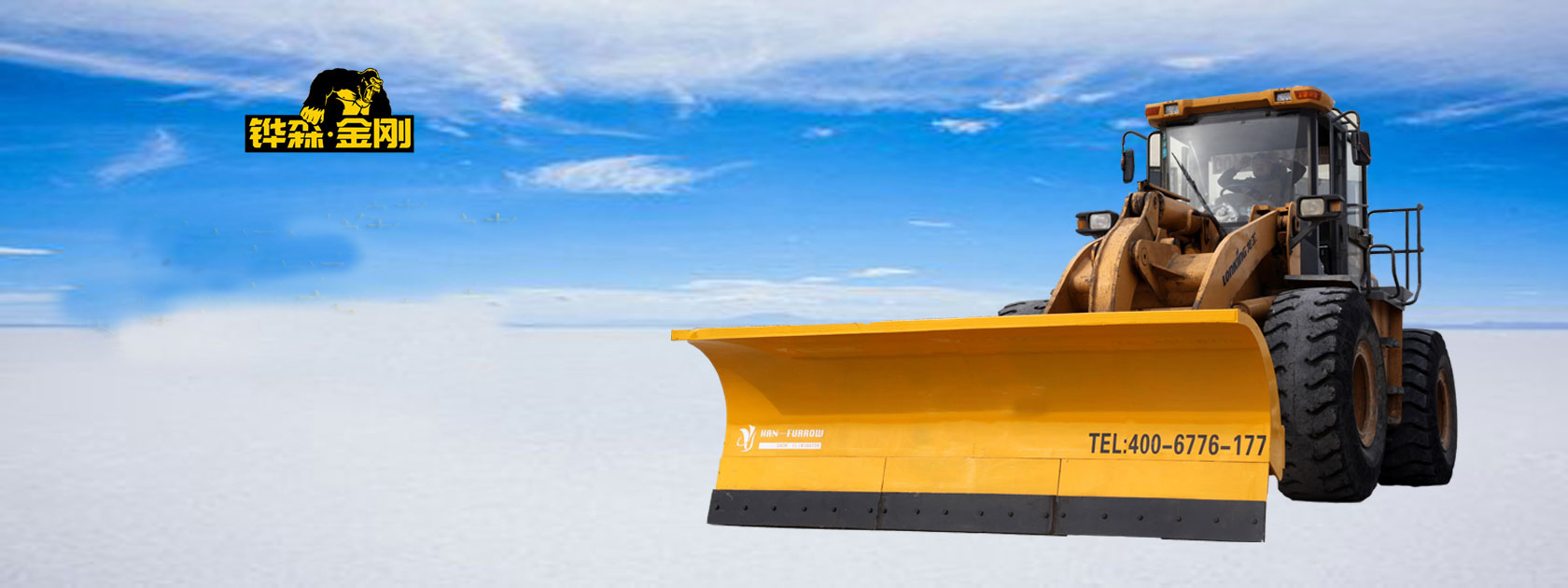
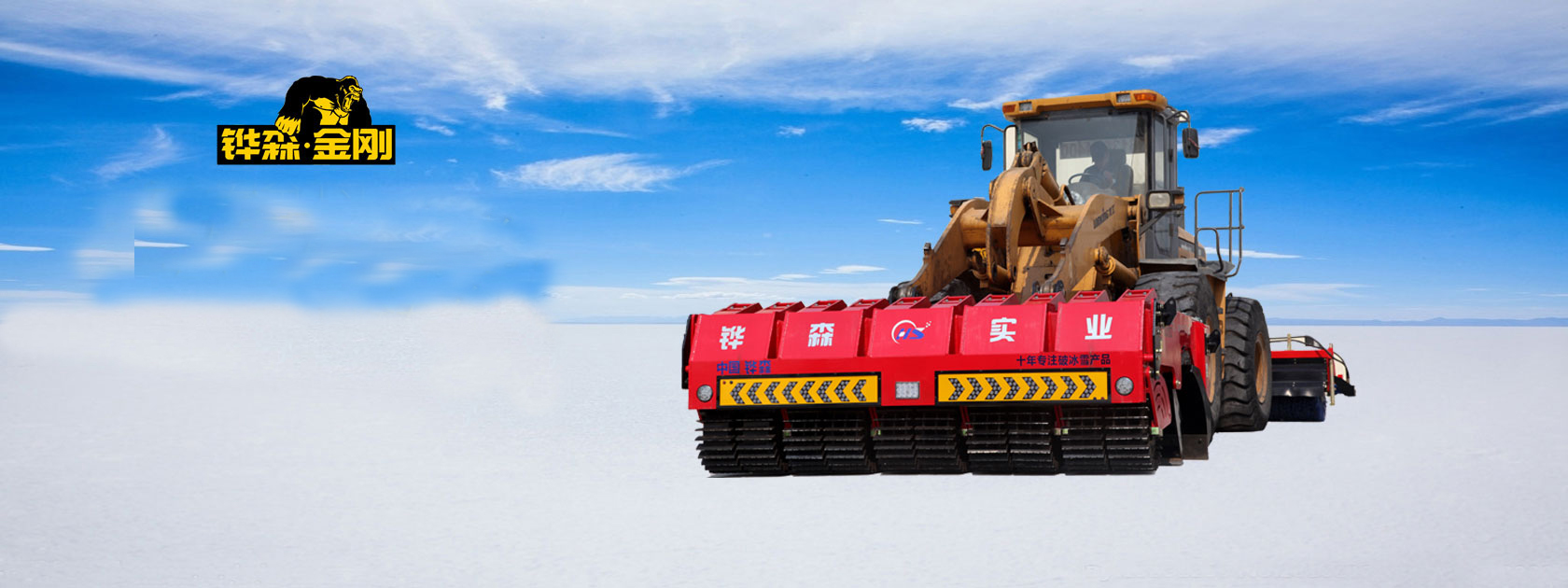
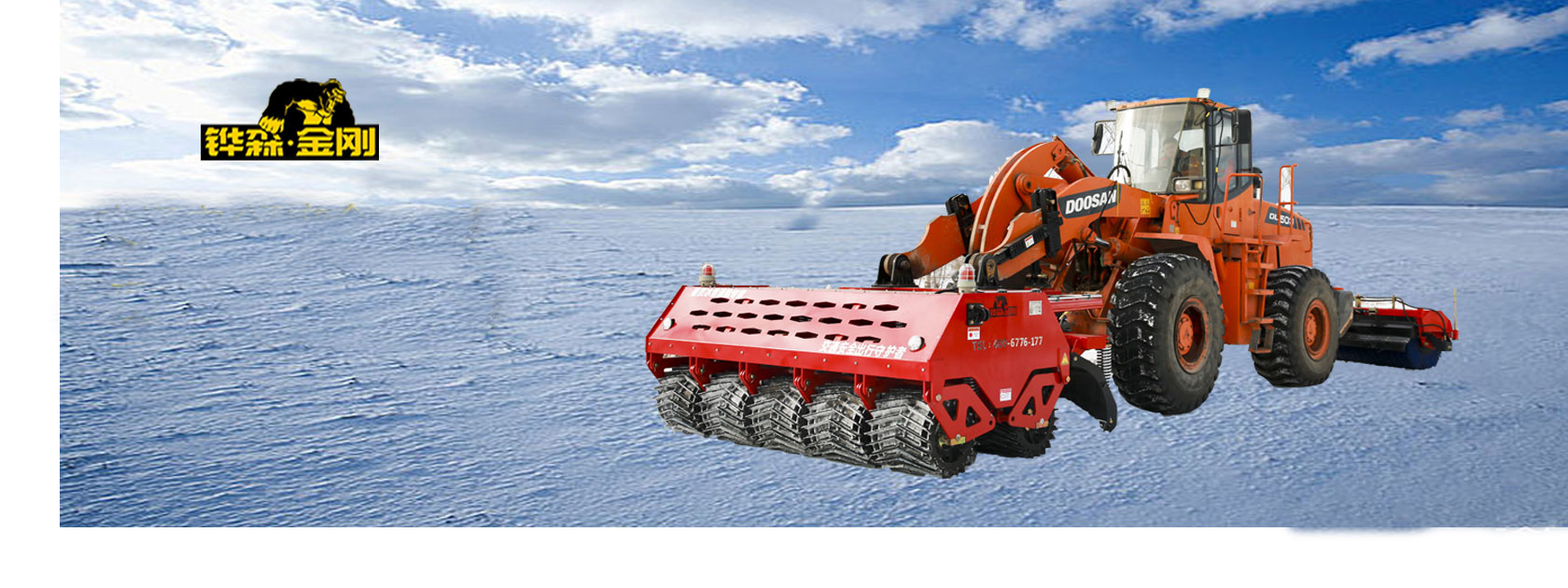
江南下注(集团)有限公司是一家以经营冬季除雪设备,环卫设备,公路养护设备及工程设备为主的机械制造公司,公司隶属于铧森实业,有独立的产品研发,生产,销售,服务的运营团队。公司成立于2008年,坐落于美丽的哈尔滨市平房开发区,占地面积2万平方米,汉铧森机械设备制造有限公司现有员工90余人,其中高级技术人员9人,技术专业人员20余人,生产部拥有五个独立车间,分别为激光下料车间,机加车间,焊接车间,烤漆车间,装备车间。公司秉承“科技改变生活”的企业理念,以科技创新为基础,服务于社会,造福于社会。
|
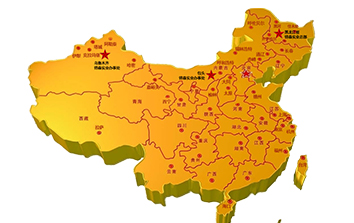
我们的服务理念是:全过程、全天候、全身心。售前:1、为您免费提供专业咨询服务,制定多种方案供您选择。2、根据您的需求为您推荐合适的产品。售后:1、免费提供专业技术培训,为您培养合格的操作人员;为您现场免费指导安装调试;2、全天候24小时为您提供快捷的上门服务:接到您的质量反馈信息后1小时内给您满意的处理方案;3、接到服务请求服务站所在城市2小时之内赶到故障现场、服务站所在省份24小时内到达、暂未设服务站省份48小时到达;4、按“汉铧森”产品《服务标准程序》定期为您上门检查设备运行情况,指导操作人员维护保养;5、为您提供设备保修服务(一个除雪期两个年度),设备终身免费维修服务;6、为您建立完善的产品使用案;7.24小时售后服务热线电话:400-6776-177 |
|
|
地址:哈尔滨市平房开发区
电话:0451-87559098
手机:18945072225
传真:0451-87559097
邮编:150006
全国客服热线:400-6776-177
|
|
|
欢迎您访问汉铧森机械设备有限公司,黑龙江省汉铧森机械设备有限公司是以经营公路养护设备、路桥机械、工程机械、环卫设备、冬季除雪设备及特种车辆为主的多元化机械设备有限公司,拥有一支集“研发、生产、销售、服务”于一体的专业运行团队,公司秉承“科技改变生活”的企业理念,以科技开发改变传统的作业方式,造福社会,改变生活! |
地址:哈尔滨市平房开发区 全国客服热线:400-6776-177
技术支持:龙采科技 备案号:黑ICP备14002370号